
black coated glass
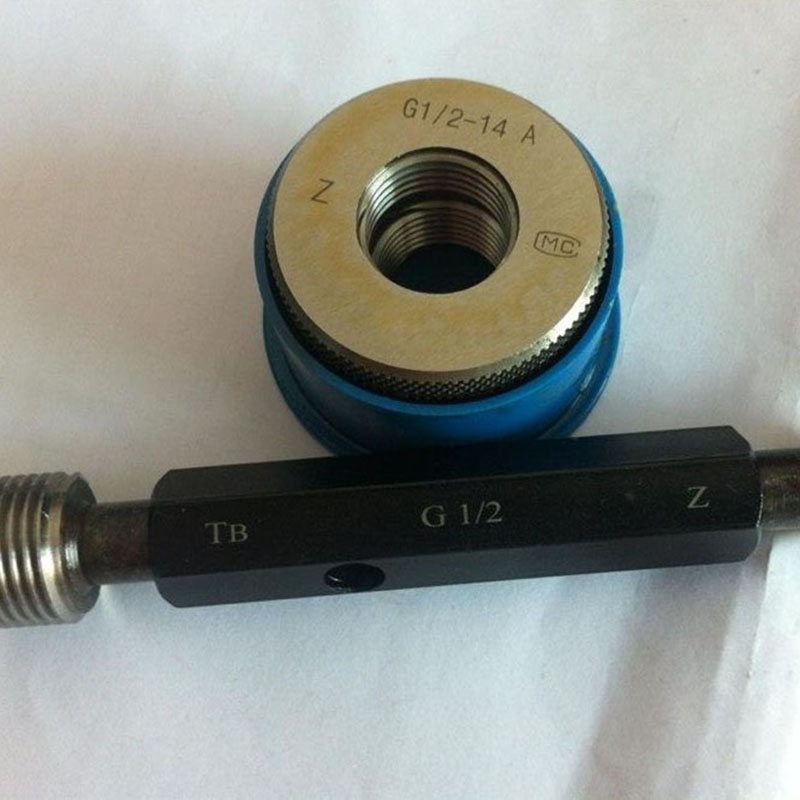
Understanding Spline Gauge An Essential Tool in Precision Engineering In the realm of precision engineering and manufacturing, the importance of accurately measuring and verifying dimensions cannot be overstated. Among the various tools available for this purpose, the spline gauge stands out as a vital instrument specifically designed to measure the profiles of splines—key components in mechanical systems that transfer torque between shafts. A spline is a series of ridges or teeth on a shaft or hole that allows for a secure mechanical connection between components. Commonly found in automotive drive trains, aerospace applications, and industrial machines, splines must meet precise specifications to ensure proper fit and function. This is where the spline gauge comes into play. What is a Spline Gauge? A spline gauge is a specialized measuring tool used to assess the dimensional characteristics of splines, including their thickness, depth, and spacing. Typically made from high-strength materials such as hardened steel, spline gauges are designed to withstand wear and provide accurate measurements. They come in various shapes and configurations to accommodate different types of splines, including involute splines, parallel key splines, and more. The design of the spline gauge allows for both direct measurement of the spline profile and the ability to check the dimensional tolerances specified in engineering drawings . These gauges often incorporate features such as slots or notches that conform to the specific geometry of the spline, enabling quick and reliable checks. Importance of Spline Gauges spline gauge The use of spline gauges is critical in maintaining quality control in manufacturing processes. As splines are crucial for transferring power, any deviation from the specified dimensions can lead to improper engagement, excessive backlash, or even component failure. Thus, a spline gauge serves as an assurance that each part meets required tolerances before it is used in assembly. Moreover, spline gauges are invaluable in the field of maintenance and repair. Technicians can use these gauges to determine whether a worn or damaged spline can be refurbished or needs replacement. This capability can lead to significant cost savings and extended machinery lifespan. Choosing the Right Spline Gauge When selecting a spline gauge, it is essential to consider the specific type of spline being measured and the precision requirements of the application. Different industries may have varying standards, so the gauge must be compatible with the relevant specifications. It is also advisable to choose a gauge with a robust construction that can endure repetitive use in a workshop environment. Conclusion In summary, the spline gauge is a quintessential tool for ensuring precision in the manufacturing and maintenance of spline applications. By accurately measuring the dimensions of splines, it helps maintain the integrity and functionality of mechanical systems. As technology continues to advance, developments in design and materials will likely yield even more effective gauges, further enhancing the ability to produce high-quality components in diverse industries. For engineers and technicians alike, understanding and utilizing spline gauges are essential for achieving excellence in precision engineering.
about
black coated glass
How to Turn Off a Water Valve A Comprehensive Guide Water valves play a crucial role in maintaining the plumbing systems in our homes and businesses. They control the flow of water to different areas, allowing us to manage water usage, conduct repairs, or respond to emergencies. Knowing how to turn off a water valve is an essential skill every homeowner should possess. This guide will help you understand the types of water valves, the steps to turn them off, and some tips for preventing issues. Understanding Water Valves There are several types of water valves that you may encounter, including 1. Ball Valve This type has a spherical disc that can stop or start the water flow. They are typically easy to operate as they require only a quarter turn to shut off the flow. 2. Gate Valve A gate valve uses a wedge-shaped metal gate to stop water flow. These valves require several turns to open or close fully. 3. Globe Valve Similar to a gate valve but designed for throttling purposes, globe valves can regulate flow better but generally restrict flow more than ball and gate valves. 4. Stop Valve Often found under sinks, these valves can quickly shut off water to a specific fixture. Locating the Valve Before you can turn off the water, you need to locate the appropriate valve . Common locations include - Main Water Supply Valve Usually found in basements, crawl spaces, or near the perimeter of the house where the water line enters. It’s typically larger and may look different depending on its design (gate or ball valve). - Fixture Shut-Off Valves These valves are located near individual appliances like sinks, toilets, and washing machines. They usually have a knob or lever for easy operation. Steps to Turn Off a Water Valve how to turn off water valve 1. Identify the Correct Valve Confirm which valve controls the water supply to the section you want to turn off (e.g., whole house or specific fixture). 2. Prepare Your Space Clear the area around the valve so you have enough room to work. It might also be wise to have a bucket or towels handy in case of water spillage. 3. Turn Off the Valve - For a Ball Valve Rotate the lever a quarter turn until it is perpendicular to the pipe (horizontal to the valve body). - For a Gate Valve Rotate the handle clockwise until it stops. Don’t force it as it could damage the valve. - For a Globe Valve Turn the handle clockwise until it’s fully closed. - For a Stop Valve These often just require a simple turn of the handle clockwise. 4. Check for Leaks After you’ve turned off the valve, check the area for any leaks. If you notice any signs of water, you may need to adjust the valve further or seek professional assistance. 5. Test the Water Flow Open a faucet connected to the same line to check if the water has been successfully turned off. If water continues to flow, go back and ensure the valve is completely closed. Tips for Maintenance and Prevention - Regular Checks Periodically ensure that your valves are functioning properly. Turn them on and off to prevent them from becoming stuck over time. - Replacement Plan If a valve feels difficult to turn or shows signs of wear, consider replacing it. Old or damaged valves can lead to leaks or water damage. - Emergency Ready Know the location of your main water supply valve and ensure it’s easily accessible in case of a plumbing emergency. Conclusion Being able to turn off a water valve is a simple yet effective way to manage your plumbing. Whether you’re preparing for a repair, protecting your home from water damage, or simply looking to conserve water, understanding how to operate your water valves will equip you with a crucial skill. Remember to stay vigilant about regular maintenance to ensure your water systems function smoothly and effectively.
-

High quality industrial productsagement

High quality industrial products
View Details -

Meet the diverse needs of customers

Meet the diverse needs of customers
View Details -

Strict quality control

Strict quality control
View Details -

Top raw materials

Top raw materials
View Details -

Trusted supplier

Trusted supplier
View Details
Our application

news and information
Wood Fence Post Cap
Wood Fence Post Caps Enhancing the Beauty and Functionality of Your Outdoor Space A wood fence post
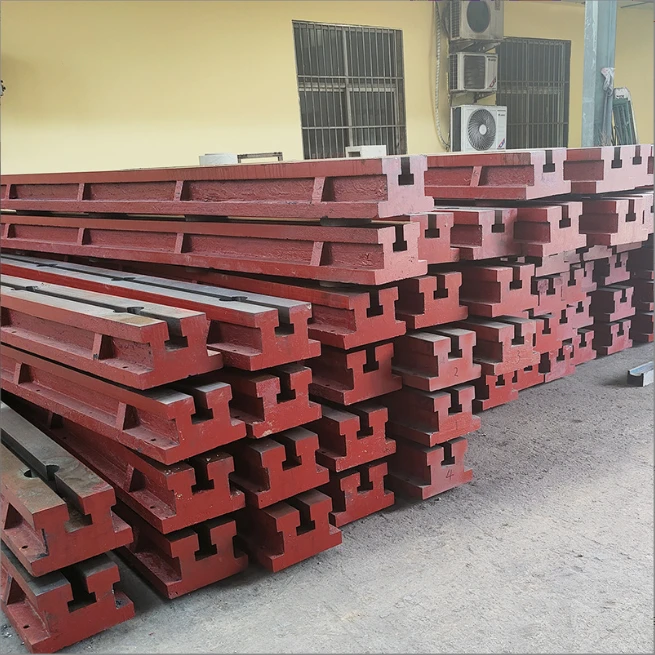
Van cầu cân bằng cho hệ thống ống dẫn hiệu quả cao và bền bỉ
Van Bi Cân Bằng Giải Pháp Tối Ưu Cho Hệ Thống Ống Nước Trong ngành công nghiệp hiện đại, việc kiểm s
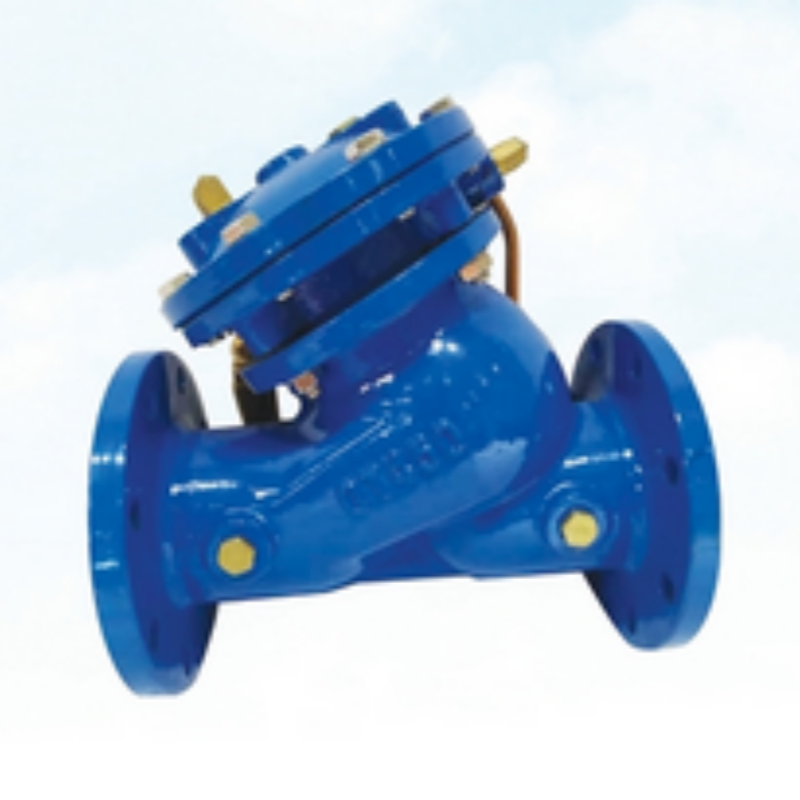
Y Type Strainer Filter for Efficient Fluid Filtration Solutions
Understanding Y-Type Strainer Filters A Comprehensive Guide In various industrial applications, main
 English